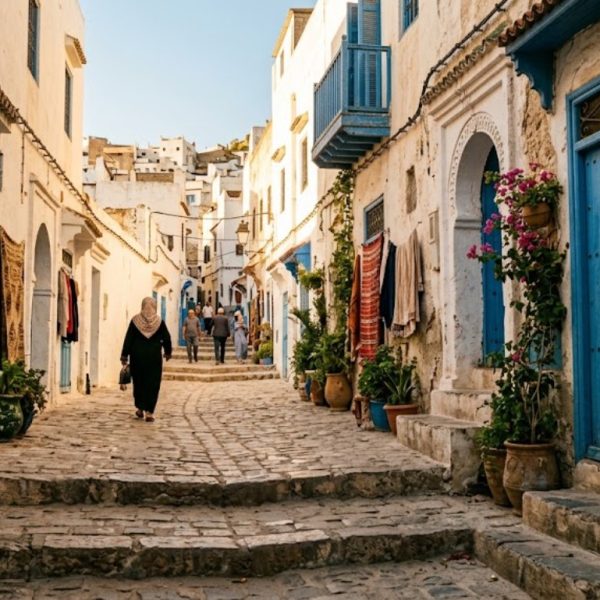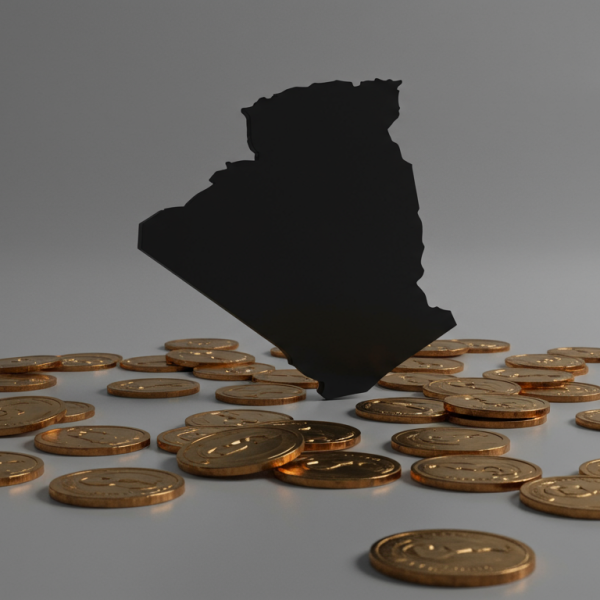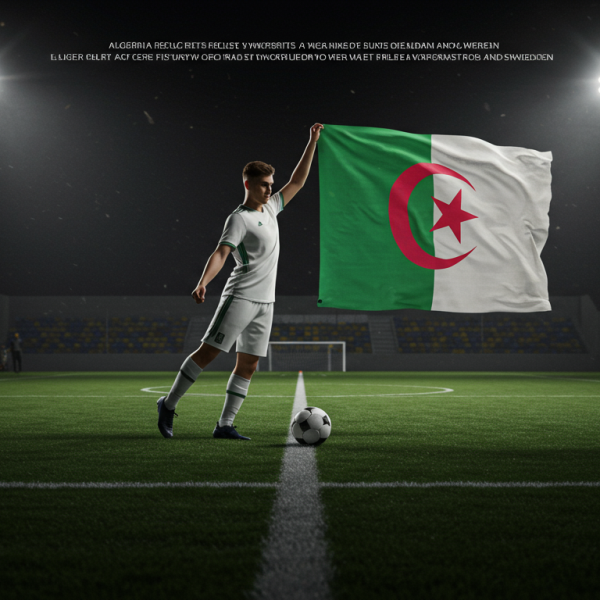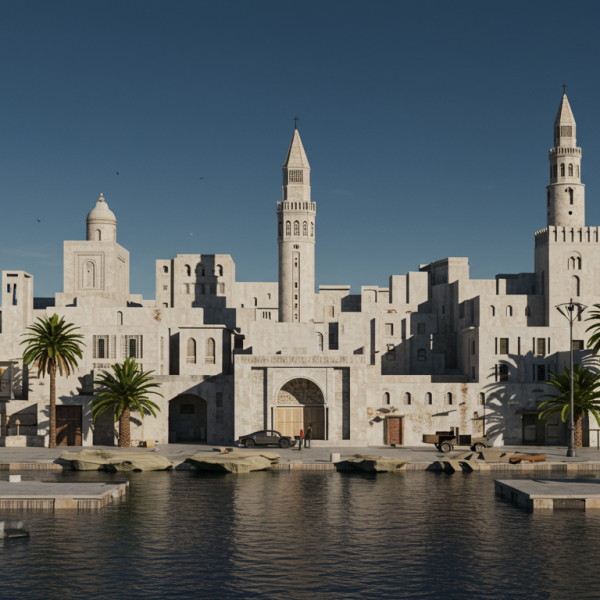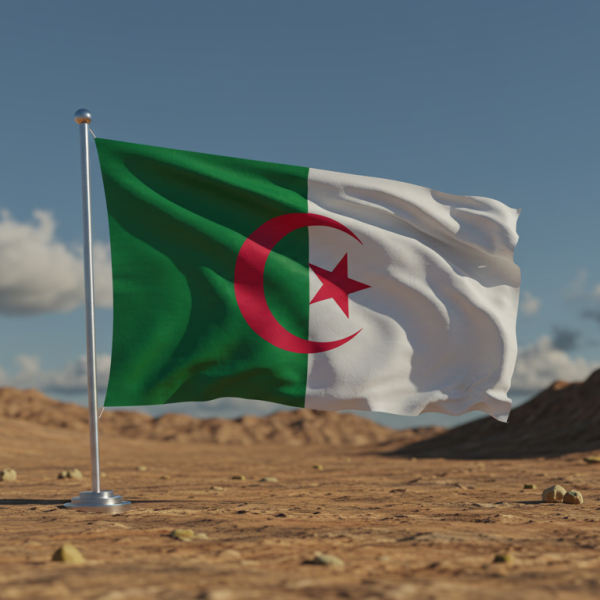
Algeria’s national identity is vividly expressed through its flag and a rich set of symbols that reflect centuries of history, religion, and resilience. From the colors that dominate public squares to the emblems that appear on official documents, every element carries a story about independence, unity, and cultural pride. Understanding these symbols helps explain how Algerians see their past, present, and future as a nation shaped by struggle and hope.
1. Historical Roots Behind Algeria’s National Symbols
Algeria’s symbols grew out of a long struggle against foreign occupation and the desire for self-determination. Ottoman governance, French colonization, and the long war of independence all left their marks on today’s imagery. Modern insignia borrow from Islamic heritage, Berber traditions, and revolutionary movements to highlight both continuity and change. In public life, these icons serve as constant reminders of what the population collectively endured to achieve sovereignty and international recognition.
As Algeria opened more to the world, especially in diplomacy, business, and migration, national symbols began appearing in global arenas such as embassies, international organizations, and multinational events. Accurate communication about these symbols and their meaning became essential, especially when negotiating cultural issues, educational exchanges, or trade agreements. In multilingual contexts, specialized language support such as over the phone interpretation services helps institutions and citizens make sure cultural and national references are clearly understood and respected.
Today, the flag, emblem, anthem, and other national signs are not simply decorative. They are tools of soft power, shaping how Algeria is viewed abroad and strengthening unity at home. Each color, shape, and emblem has been carefully chosen to convey political values, religious faith, and cultural memory to Algerians and the wider world.
2. The Colors That Shape Algeria’s Identity
The main colors associated with Algeria carry powerful symbolic meanings rooted in both Islamic and local traditions.
- Green: hope, Islam, and the land
Green is widely recognized as a color of Islam and spiritual renewal. For Algeria, it also evokes fertile lands, agriculture, and the hope that emerged from a painful liberation struggle. It underlines the connection between faith, nature, and national rebirth. - White: peace and sacrifice
White symbolically represents peace after conflict and the moral purity associated with the aspirations of the independence movement. At the same time, it recalls the sacrifices made by those who fought for freedom, emphasizing the idea of a clean, just society built on their legacy. - Red: blood, courage, and resistance
Red stands for the blood of martyrs who died in the struggle against colonization. It also conveys bravery, energy, and a continuing readiness to defend the nation’s sovereignty. In official displays, this color reminds citizens of the real human cost of independence.
3. The Crescent and Star as Key Islamic Symbols
The crescent and star lie at the heart of Algeria’s national iconography. These two elements are shared across many Muslim-majority countries and signal the central role of Islam in public and private life. The crescent commonly represents growth and guidance, while the star is often seen as a beacon of knowledge or divine light. Together, they express Algeria’s religious identity and its moral compass in domestic and foreign policy.
Beyond religion, the crescent and star also work as recognizable symbols in international diplomacy and sports. When Algerian teams or delegations participate abroad, these emblems instantly link them to their homeland. The design captures a balance between spiritual allegiance and secular statehood, embodying how tradition and modernity interact in the country’s political culture.
4. The National Emblem and Its Hidden Meanings
Algeria’s official emblem, used on documents, government buildings, and passports, adds further layers of meaning beyond the colors and religious icons.
- Atlas Mountains and rising sun
The mountainous landscape reflects Algeria’s diverse geography and natural strength. A rising sun above the peaks indicates a new dawn after colonial rule and symbolizes optimism about future development and stability. - Olive branches and agricultural motifs
Olive branches and other plants represent peace, abundance, and the importance of agriculture to the economy. These symbols stress that sustainable development and rural wellbeing are central to national priorities. - Industrial and urban symbols
Gears, factories, or similar images in some versions of the emblem reflect Algeria’s ambitions to industrialize and modernize. They show how the state links sovereignty not only to territory but also to technological progress and economic independence.
5. The National Anthem as a Voice of Resistance
Another fundamental symbol is the national anthem, composed during the fight for independence. Its lyrics speak directly about colonial oppression, armed resistance, and the promise of freedom. Unlike many anthems that use abstract or poetic language, Algeria’s text is explicit, revealing the intensity of the liberation struggle and the political atmosphere of the time.
The anthem is performed at schools, state ceremonies, and international events, constantly reaffirming a collective memory of resistance. For many Algerians, hearing it is an emotional experience that connects generations and preserves the lessons of history. It highlights how music, poetry, and politics are interwoven in the nation’s identity.
A national flag compresses a long history into a few shapes and colours, which is why symbols get read so differently inside and outside a country. That gap matters when breaking world news reaches for shorthand about a place its readers have never visited. Knowing what a symbol means locally is a decent guard against a lazy summary.
6. Berber Heritage and Cultural Pluralism
Underneath the official symbolism lies a deep Berber (Amazigh) heritage, with its own flag, alphabet, and historical references. While not state symbols in the same sense, these cultural signs are increasingly recognized in public life through festivals, regional institutions, and language policies.
Their presence emphasizes that Algeria is not a monolithic society but a diverse one, combining Arab, Berber, African, and Mediterranean influences. This growing visibility supports cultural pluralism and helps integrate different identities into a shared national project without erasing local traditions.
7. How National Symbols Shape Algeria’s Global Image
Algeria’s symbols do more than define internal unity; they send messages to the international community about values and priorities. The combination of Islamic imagery, revolutionary references, and developmental motifs presents Algeria as a country rooted in faith, formed through struggle, and oriented toward progress.
In global platforms such as the United Nations, regional organizations, sports tournaments, and cultural expos, these symbols quickly identify Algerian participants and frame expectations about the country’s stance on issues like decolonization, peace, and solidarity. Clear understanding of these visual messages helps build more nuanced and respectful intercultural relations.
A Visual Language of History and Hope
Algeria’s national symbols form a visual language that tells the story of colonization, resistance, and rebirth. Colors associated with hope, sacrifice, and courage combine with Islamic emblems, geographic features, and industrial motifs to project a complex image of faith, memory, and modernization.
Far from being static, these icons continue to evolve as new generations reinterpret their meanings in light of current challenges. Whether displayed on buildings, documents, sports jerseys, or digital platforms, they affirm a unifying narrative: a people shaped by struggle, proud of their heritage, and determined to pursue peace, development, and dignity on their own terms.