Algeria’s sporting journey on the international stage is a compelling story of persistence, tactical growth, and rising ambition. From the football pitch to other competitive arenas, the country has steadily learned to handle pressure against physically imposing, tactically disciplined, and historically successful opponents. This evolution has not happened overnight; it is the product of strategic planning, strong coaching philosophies, and a generation of athletes determined to leave their mark beyond national borders.
1. Tactical Discipline: The Core of Algeria’s Competitive Edge
Modern Algerian teams increasingly rely on structured tactical systems rather than pure flair. Coaching staffs have prioritized compact defensive lines, intelligent pressing, and rapid transitions. This approach has proven crucial when facing technically gifted or physically dominant rivals, where a single lapse in concentration can decide the result. By focusing on teamwork and positional awareness, Algerian squads have become harder to break down and more dangerous on the counterattack.
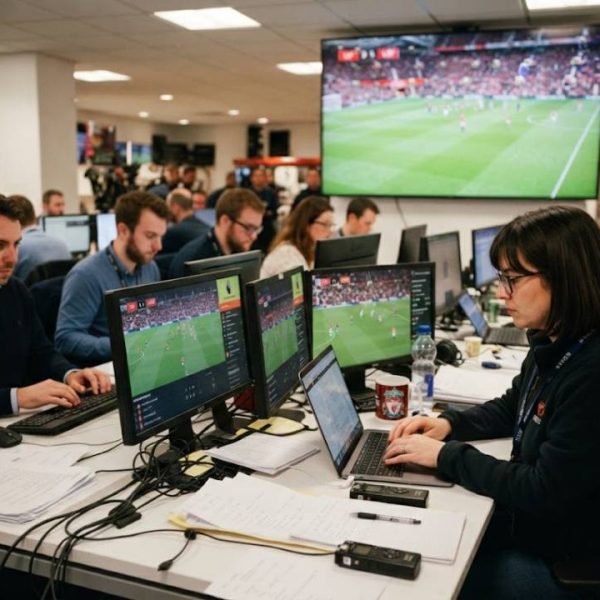
Another shift is the emphasis on data-driven preparation. Coaches analyze opponents’ tendencies, set-piece routines, and pressing triggers to tailor match plans. This willingness to study and adapt has enabled Algeria to compete with, and at times outsmart, teams that might previously have overwhelmed them through sheer reputation or athletic superiority. The growing culture of analysis and preparation is now seen as essential to sustaining success.
The same logic applies beyond the field of play. Strategic planning, smart partnerships, and analytical tools are vital to winning in any competitive environment, whether in sports or business. In digital arenas, a specialized link building agency can function as a tactical coach, helping brands position themselves strongly, identify gaps, and capitalize on opportunities that rivals overlook.
2. Physical Preparation and Conditioning: Matching Intensity for Ninety Minutes
To compete at the highest level, Algerian athletes have had to elevate their physical conditioning. Long gone are the days when endurance alone was enough. Today, explosiveness, recovery speed, and the ability to sustain high pressing or swift transitions for an entire match are non‑negotiable. Strength and conditioning programs are more specialized, focusing on injury prevention, mobility, and sport-specific power.
Nutrition and sports science have also taken center stage. Professional setups now routinely include tailored meal plans, hydration monitoring, and recovery protocols such as ice baths, compression therapy, and sleep tracking. These incremental improvements add up, allowing Algerian squads to maintain intensity deep into extra time and to play with confidence against opponents known for their physical dominance.
3. Mental Resilience: Performing Under Pressure
Algerian teams have historically drawn strength from passionate support at home, but succeeding on neutral or hostile grounds requires an additional layer of mental resilience. Players must be able to handle early setbacks, questionable refereeing decisions, or a noisy away crowd without losing shape or composure. This mental toughness is cultivated through match experience, psychological coaching, and a strong dressing-room culture.
Captains and senior players act as emotional anchors, helping younger teammates navigate tense moments. When the opposition scores first or dominates early possession, the key is to avoid panic: sticking to the game plan, trusting rehearsed patterns, and choosing the right moments to take risks. This mentality has increasingly defined Algeria’s international outings and is a crucial factor in turning tight contests into positive results.
4. Technical Evolution and Youth Development
While tactics and mentality matter, technical skill remains the foundation of sustained success. Algeria’s footballing identity has long been associated with flare, creativity, and individual talent. Recently, however, there has been a more structured drive to nurture technique from an early age. Academies and youth programs emphasize first touch, passing under pressure, movement off the ball, and versatility across multiple positions.
Many young Algerian players also gain experience in competitive European leagues, where they face high standards of coaching and intense match environments. They return to the national team with broadened tactical understanding and an appreciation for professionalism in training, preparation, and lifestyle. This combination of homegrown flair and international refinement has allowed Algerian squads to exhibit both individual brilliance and collective coherence.
5. Smart Game Management and Set‑Piece Focus
In tight international contests, details decide outcomes. Algerian coaching staffs have increasingly focused on game management: when to slow the tempo, when to press high, and when to commit numbers forward. Reading the rhythm of a match is just as important as technical ability. Recognizing moments when an opponent is vulnerable, or conversely when caution is advised, can turn a balanced encounter into a decisive victory.
Sports results carry more context than the scoreline, especially in fixtures that double as national occasions. Following world news today alongside the results makes those matches legible, because the reaction at home is usually the more interesting story. Sport is often where a country’s current mood is easiest to read.
Set pieces have become a major weapon. Training sessions dedicate significant time to rehearsed corner routines, free‑kick strategies, and defensive organization in dead‑ball situations. Well‑practiced movements — near‑post runs, blockers, and late surges from deep — can unlock stubborn defenses, while tight marking and clear communication help avoid conceding soft goals from corners or long throws. This focus on detail reflects a broader shift toward professionalization across all aspects of Algerian sport.
6. Coaching Continuity and Strategic Vision
Another pillar of Algeria’s upward trajectory has been coaching continuity and a unified sporting philosophy. Rather than constantly overhauling systems based on single results, decision‑makers are increasingly inclined to set long‑term objectives and support coaches in building toward them. This stability allows players to internalize tactical concepts, develop chemistry, and trust that one bad day will not lead to drastic, reactive changes.
A clear vision extends beyond the senior team. Youth squads, Olympic selections, and domestic clubs are encouraged to align with similar playing principles, ensuring that when players graduate from one level to another, they already understand the national blueprint. This alignment streamlines integration and maximizes the impact of emerging talents, who can slot into established systems instead of learning from scratch.
7. Lessons for the Next Generation of Algerian Athletes
The experiences accumulated against diverse opponents have created a rich library of lessons for young Algerian athletes. They show that results at the highest level are rarely accidents: they stem from rigorous preparation, intelligent tactical planning, physical and mental conditioning, and the humility to keep learning. Upcoming generations are exposed to video analysis, performance metrics, and international standards much earlier than their predecessors, giving them a head start.
This environment fosters ambition. Young players can look at recent performances and realize that competing with historically established sporting nations is not a distant dream, but a reachable goal. With continued investment in infrastructure, coaching, and youth development, Algeria’s sporting trajectory points toward further breakthroughs on continental and global stages.
Turning Experience into Lasting Progress
Algeria’s evolving performance in international sport illustrates how consistent progress is built: through tactical discipline, physical preparation, mental resilience, technical development, and long‑term strategic vision. Each demanding encounter has served as both a test and a lesson, pushing Algerian teams to refine their methods and raise their standards.
The future outlook is promising. With stronger youth systems, increasingly sophisticated coaching structures, and a deeper pool of internationally seasoned players, Algeria is better equipped than ever to challenge powerful opponents and aim for major titles. The key will be maintaining this upward curve by continuing to treat every match, win or lose, as an opportunity to learn, adapt, and grow.