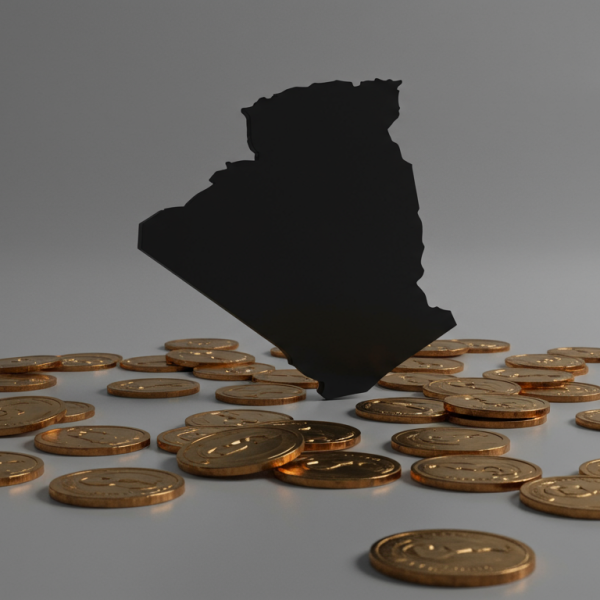
Algeria is a fascinating North African country that often sparks curiosity among travelers, students, and global businesses: Where is Algeria located, what is its capital, which language do people speak, and what currency is used? Understanding these basic but essential facts is the first step to discovering Algeria’s culture, economy, and its growing relevance in international markets and cross-border communication.
1. Where Is Algeria Located on the World Map?
Algeria is located in North Africa, occupying a strategic position between the Mediterranean Sea and the vast Sahara Desert. It is the largest country in Africa by land area and the tenth-largest in the world. Algeria borders several countries: Tunisia and Libya to the east, Niger and Mali to the south, Mauritania and Western Sahara to the southwest, and Morocco to the west. To the north, it has a long coastline along the Mediterranean Sea, giving it maritime access to Southern Europe.
This geographical position places Algeria at the crossroads of Africa, Europe, and the Middle East. Historically, it has been a gateway for trade, culture, and migration. Today, businesses interested in expanding to North African and Arab-speaking markets often start by learning about Algeria’s location, demographics, and digital landscape. For companies targeting Algerian audiences in Arabic and French, it is crucial to use localized content and optimized search strategies supported by professional multilingual seo services to stand out in competitive online spaces.
2. What Is the Capital of Algeria?
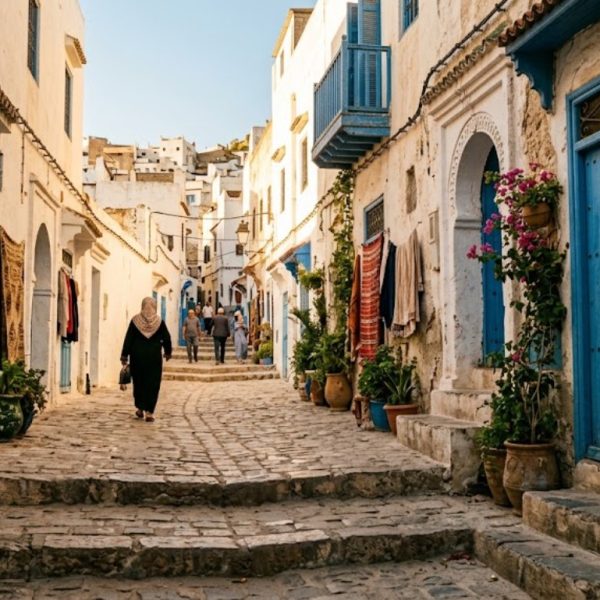
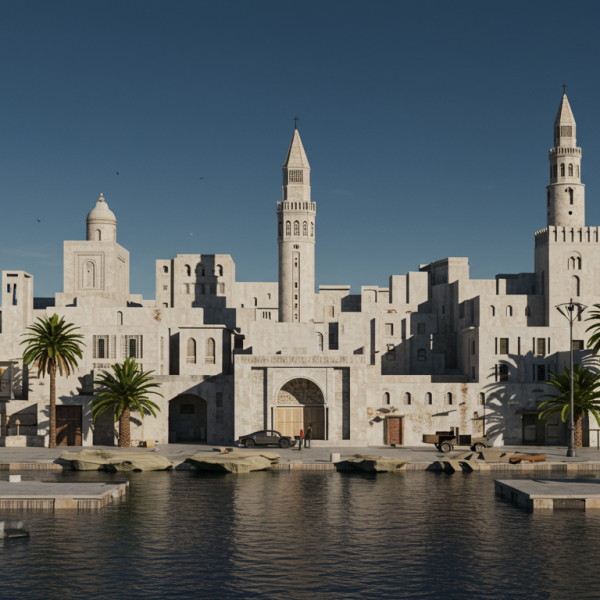
The capital of Algeria is Algiers, known in Arabic as “Al-Jaza’ir.” Situated on the Mediterranean coast in the northern part of the country, Algiers is not only the political center but also an important economic and cultural hub. The city features a unique mix of Ottoman, Arab, French colonial, and modern architecture, making it visually distinctive and historically rich.
Algiers is home to key government institutions, major universities, and thriving business districts. It is also the primary gateway for international visitors, thanks to its international airport and port. As the capital, Algiers plays a central role in Algeria’s digital and media ecosystem, with many online searches, news portals, and e-commerce activities concentrated around this urban center.
3. Which Languages Are Spoken in Algeria?
Algeria is officially multilingual, with Arabic and Tamazight (Berber) recognized as official languages. Modern Standard Arabic is used in government, education, and formal communications, while Algerian Arabic dialects are commonly spoken in everyday life. Tamazight, with its diverse regional varieties, is used by many Berber communities across the country, particularly in the Kabylie region and other mountainous areas.
French also plays a significant role, widely used in business, science, technology, and media. Many Algerians are fluent in both Arabic and French, and younger generations often mix languages in daily conversation, a phenomenon known as code-switching. This linguistic diversity has direct implications for education, entertainment, and especially digital content and online marketing, where language choice can determine how easily users find and engage with information.
4. What Is the Currency of Algeria?
The official currency of Algeria is the Algerian dinar, commonly abbreviated as DZD. Prices in shops, markets, and local services are generally listed in dinars, and locals use dinar banknotes and coins for everyday transactions. Foreign visitors often exchange major currencies, such as euros or US dollars, into Algerian dinars at banks or authorized exchange offices.
A country profile like this one is usually the first thing a business reads before deciding whether to trade somewhere, and currency is rarely the least important part. Operating across currencies means carrying obligations that can move against you without anything changing in the underlying business. Companies that end up on the wrong side of that shift often look to debt restructuring services to reset terms before the problem compounds.
While the Algerian dinar is not as widely traded internationally as some other currencies, it plays a crucial role in the country’s internal economy. Understanding the local currency is especially important for businesses planning to trade with Algerian partners, open local branches, or offer services to Algerian customers. E-commerce companies, for example, need to display prices in dinars and provide clear payment options that correspond to Algerian banking and regulatory systems.
5. Why Algeria’s Location, Capital, Language, and Currency Matter for Global Businesses
Knowing that Algeria is located in North Africa, that its capital is Algiers, that Arabic, Tamazight, and French are the main languages, and that the currency is the Algerian dinar is more than just geography trivia. These details are crucial for any organization or professional considering expansion into North African markets or looking to reach Algerian audiences online.
From a strategic perspective, Algeria’s proximity to Europe and other MENA countries makes it an attractive base for regional operations. Its multilingual environment generates demand for high-quality localized content: websites, apps, customer support, and marketing materials must be tailored not just linguistically, but also culturally. Effective communication in both Arabic and French can significantly improve brand visibility and trust among Algerian users.
For educational institutions and researchers, awareness of Algeria’s linguistic and monetary systems helps in accurately interpreting data, designing surveys, and collaborating with local partners. For travel and tourism operators, clear information on location, local languages, and the Algerian dinar helps travelers plan more effectively and feel comfortable navigating daily life in the country.
6. Conclusion: A Key Country in North Africa with Rich Diversity
Algeria is a large and influential country in North Africa, bordered by the Mediterranean Sea and several Sahara-adjacent states. Its capital, Algiers, is a vibrant coastal city that anchors the political, economic, and cultural life of the nation. With Arabic and Tamazight as official languages and French widely used, Algeria stands out as a genuinely multilingual society. The Algerian dinar serves as the backbone of the local economy, shaping everyday commerce and business transactions.
Whether you are a traveler eager to explore historic cities and desert landscapes, a student studying African or Middle Eastern geopolitics, or a business aiming to connect with a new audience, understanding Algeria’s location, capital, language, and currency is an essential starting point. By appreciating these fundamental aspects, you build a solid foundation for deeper engagement with one of North Africa’s most important and culturally rich countries.